Author: Its real ALPHA
#Investor # Reader #Marathoner #Cyclist #Foodie #Traveler
#Helping people in Finances
Protected: Alpha Sunrise 07-Mar-26
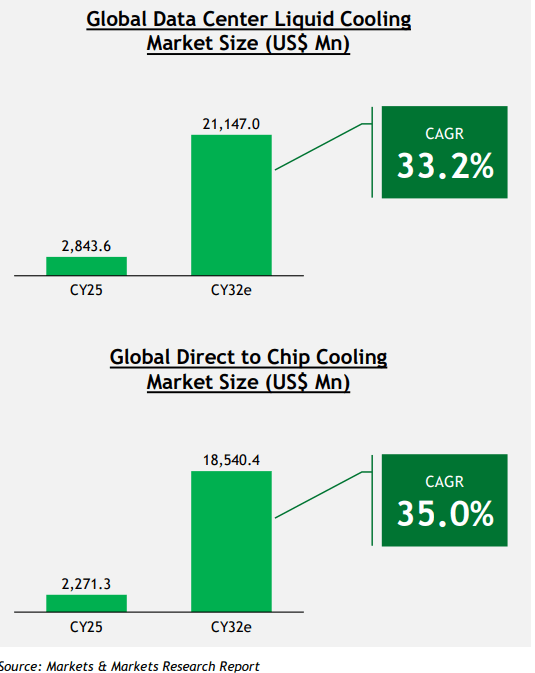
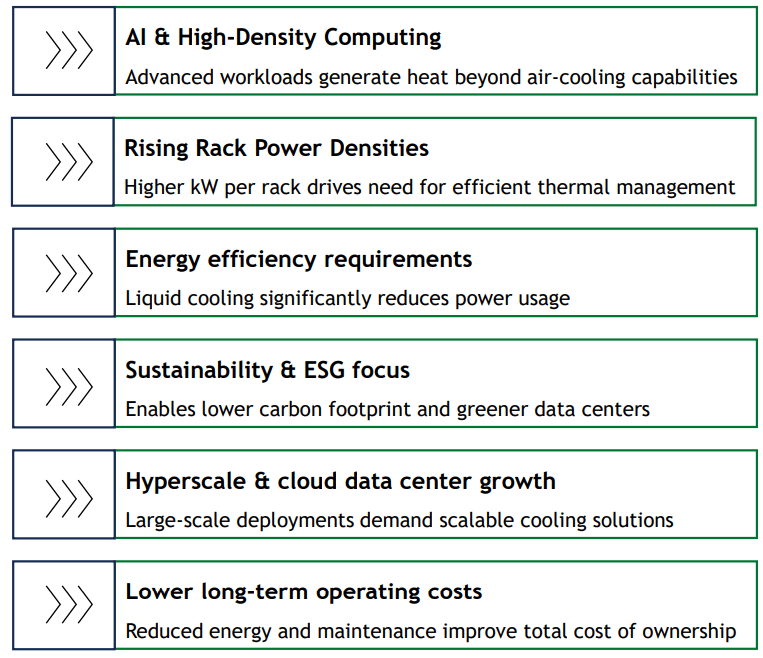
Data Centers Liquid cooling : Medium term trend
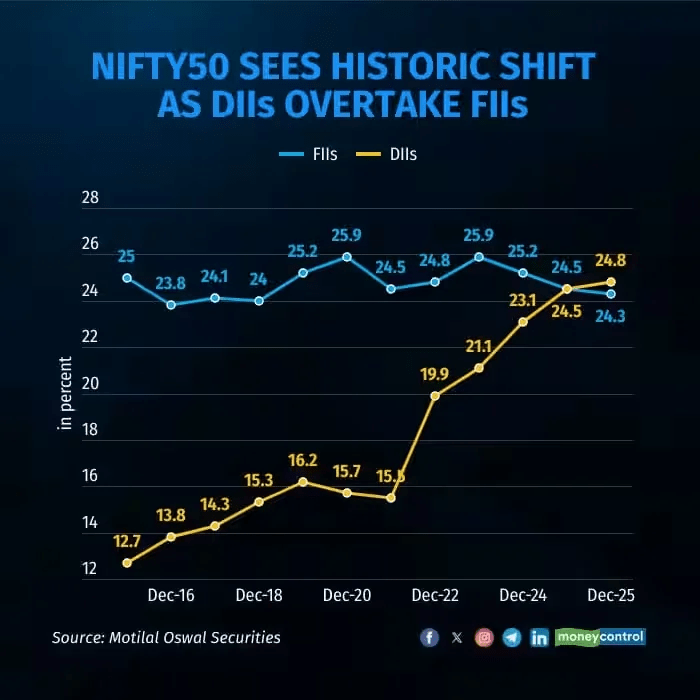
DII vs FII
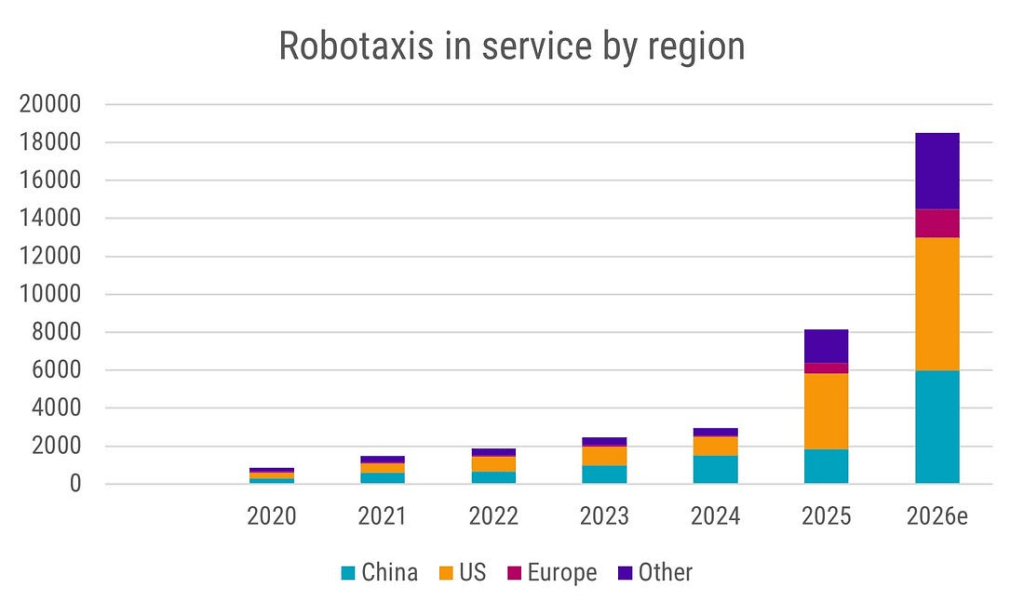
Robotaxis : Future is here
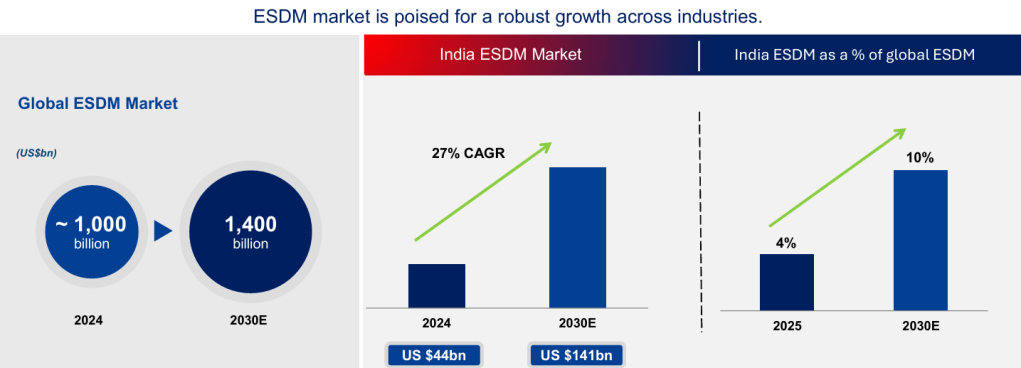
ESDM market and India’s % share
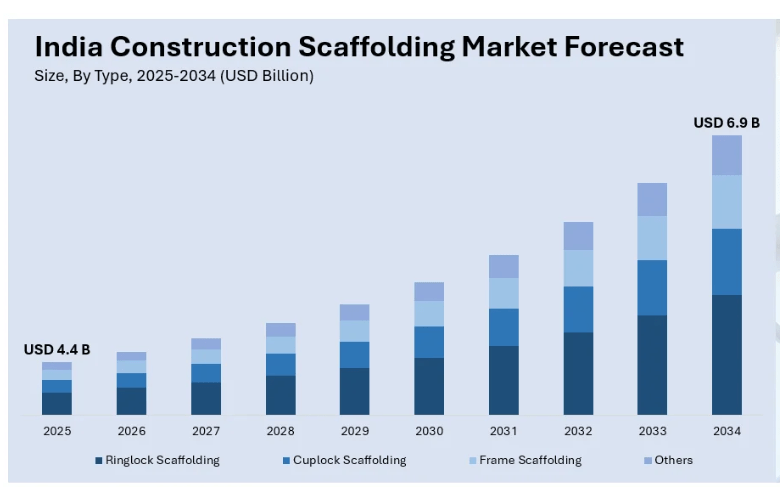
Scaffolding : Medium term trend
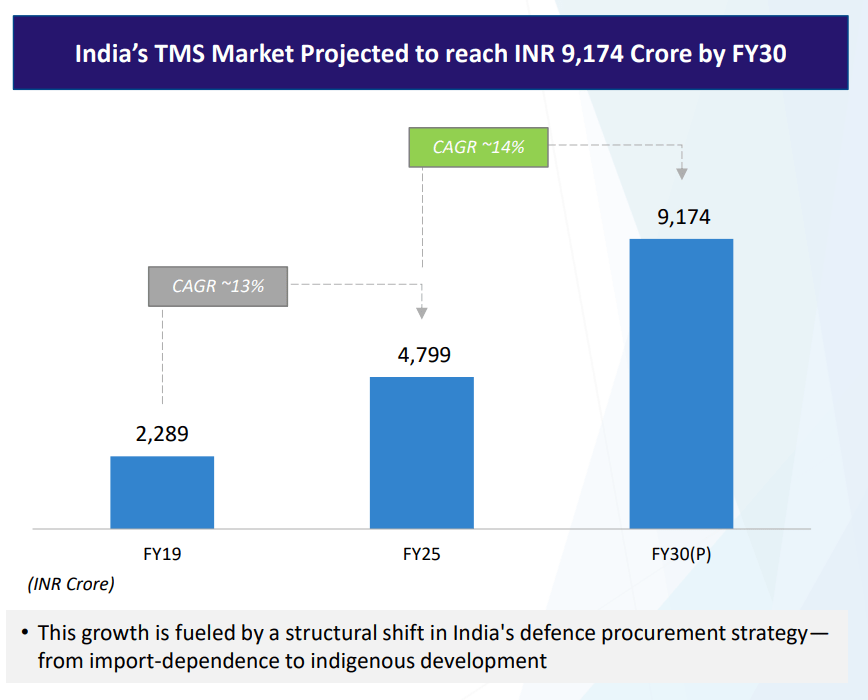
Medium Term trend : TMS Market
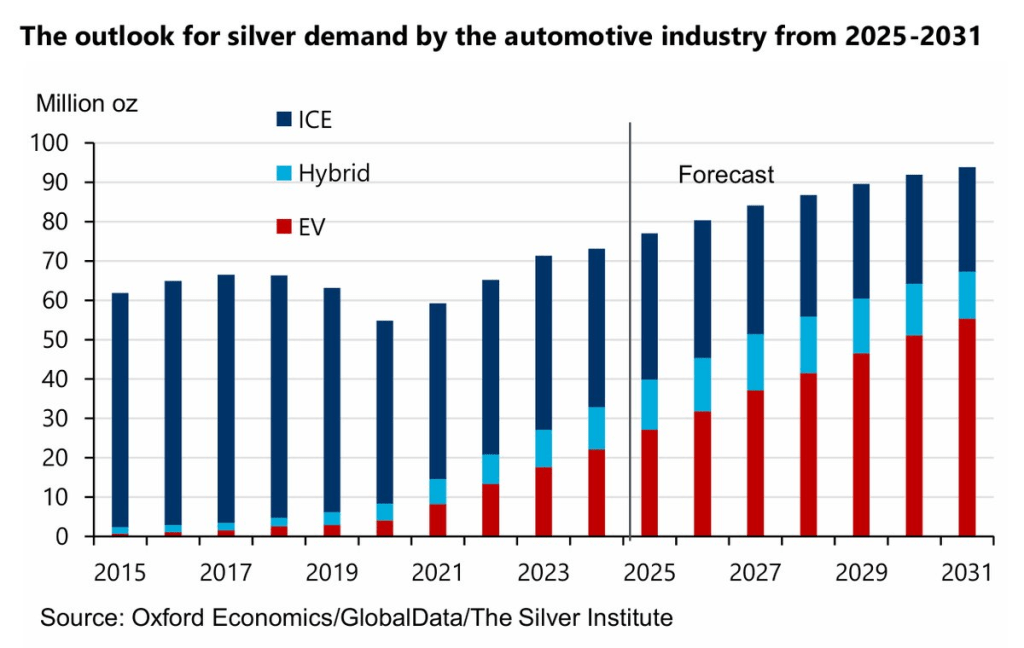
Outlook for silver demand
Aviation Market : Short term trend
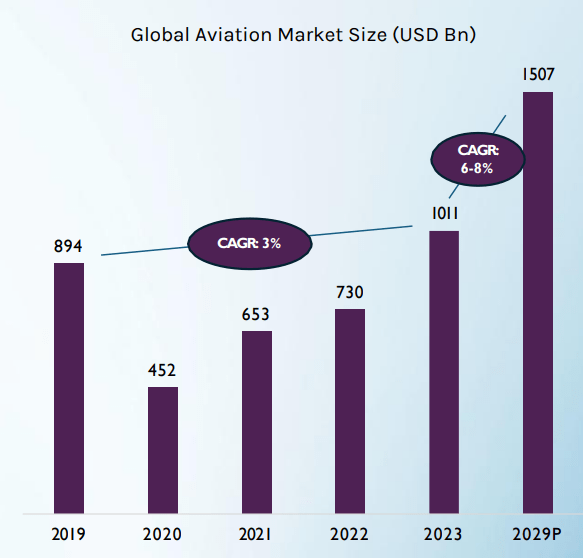
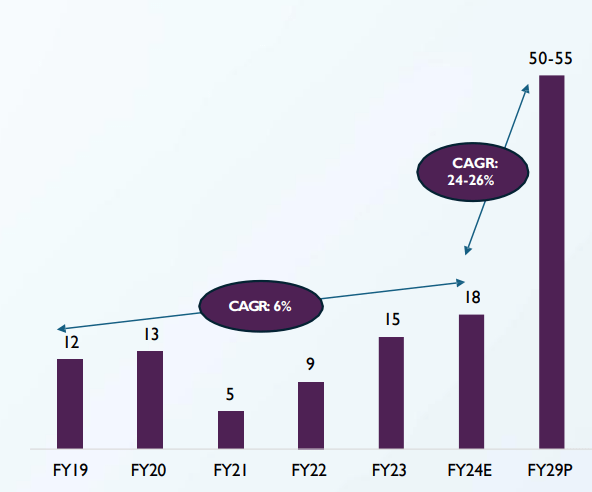
India Aviation mkt
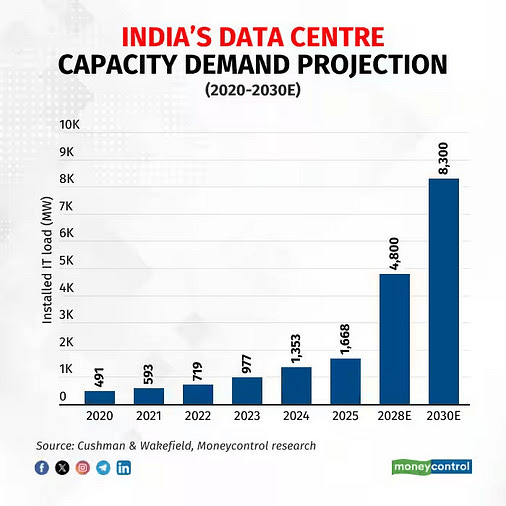
Data center Capacity Demand : Medium term trend
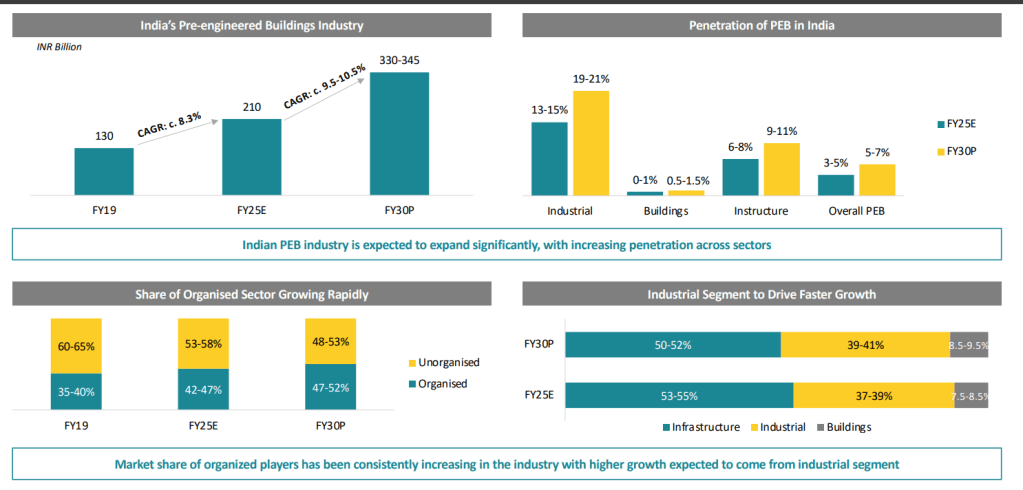
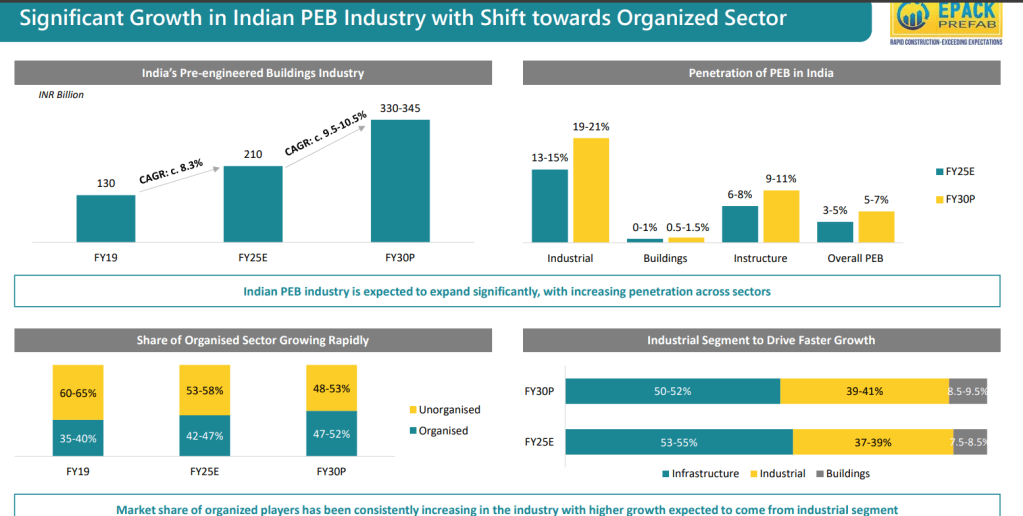
PEB industry : Medium term trend
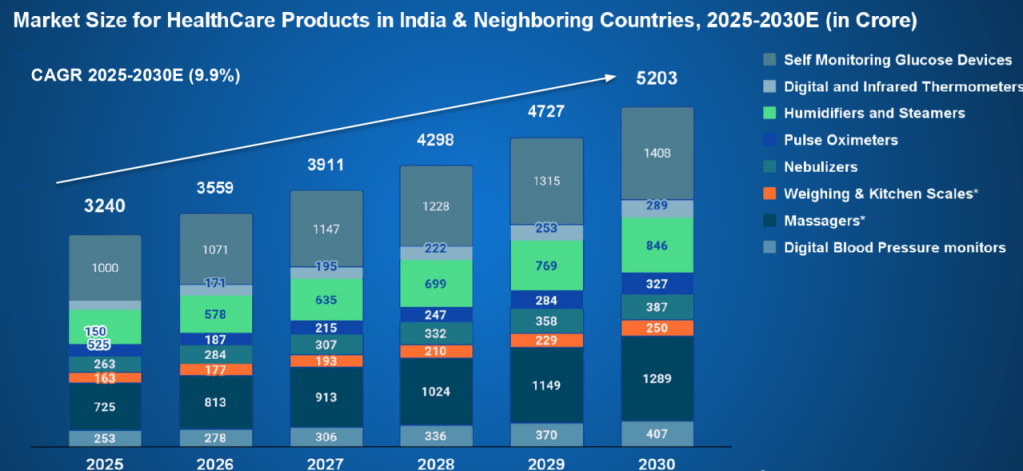
Medium Term trend : Healthcare products
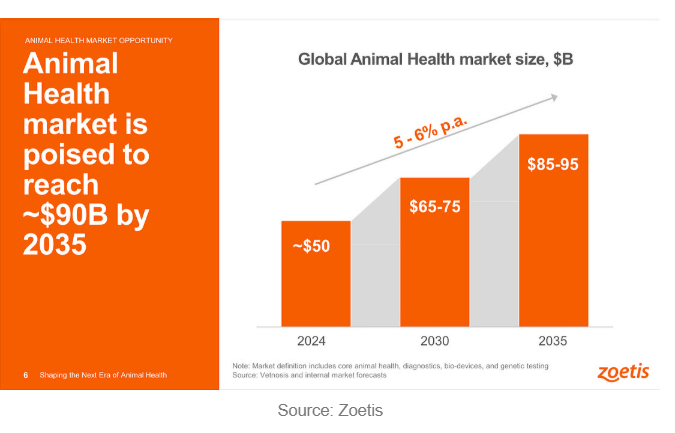
Animal Health Market : Medium term trend
Protected: Premium Stocks : 11-Jan-26
Happy New Year 2026
Anything changes on 1st Jan?
Yes, we all add some resolutions!!
What’s mine then for 2026
Focus Focus Focus
But Where?
Focused Execution
2026 is the year where the base of next 4-5 years is being formed
We cant go wrong in base formation
What I am doing?
Concentrating my bets
How?
By removing the small allocation bets
and Increasing the high allocation bets
What if they dont work this way as all along I have been a Diversified player!!
I am not looking for an excuse without trying that approach
One of the images that stuck with me is this one!!
I stay doubtful but persistent enough to be successful

Protected: Alpha Sunrise 31-Dec-25
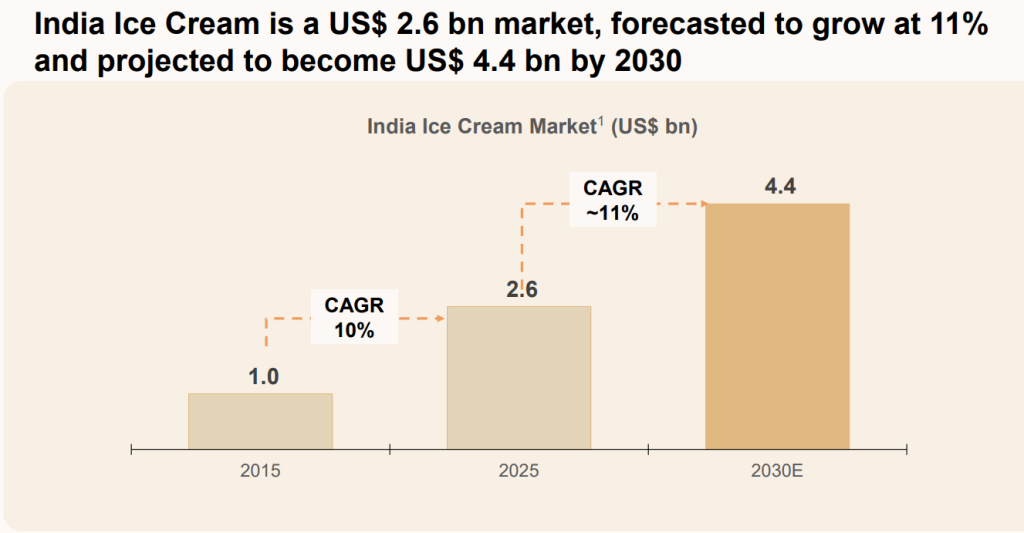
Ice Cream Market : Medium Term Trend
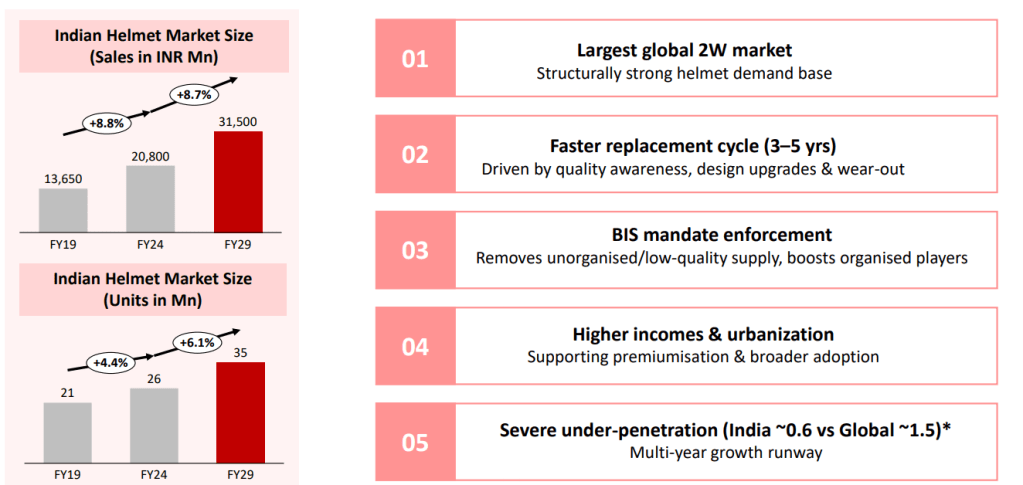
Helmet Mkt : Medium term trend
2nd Largest commodity : Coffee

Source : Vintage coffee ppt
Recessions and Federal Reserve cuts

Medical tourism : Medium term trend

Wearables : Medium term trend

Google vs OpenAI

Protected: Alpha Sunrise 30-Nov-25
Healthcare Spending : Long term !!

Gold Vs USD share

Thin Glass : New trend

Rare earth metals : Story too far

Energy conglomerates commitment

Pediatric : Long term trend

HIRE : Biggest threat looming around !!
The Halting International Relocation of Employment (HIRE) Act seeks to discourage outsourcing and promote job creation within the United States. It proposes a 25 per cent outsourcing tax on payments made to foreign workers for services used within the US.
The bill also removes the ability of companies to claim these outsourcing payments as tax-deductible expenses. The collected revenue will be channelled into a Domestic Workforce Fund designed to finance training and apprenticeship programs for American workers.
read more at
Mobile Gaming : medium term trend

Port capacity trend

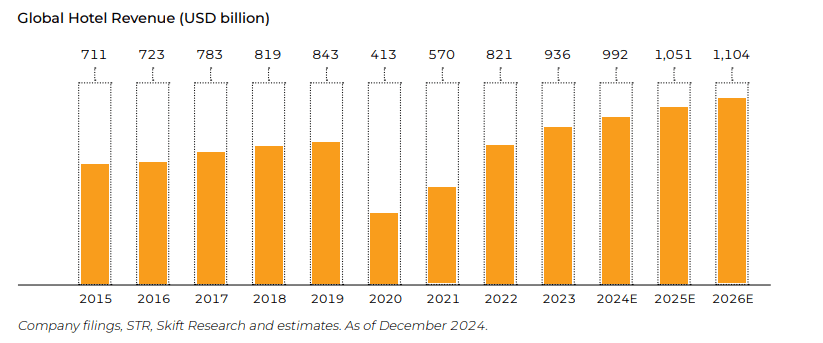
Rategain 2025 Annual report : Eye catching snippets
Unified by Purpose : Accelerated by AI

Steady growth

RATEGAIN Platform

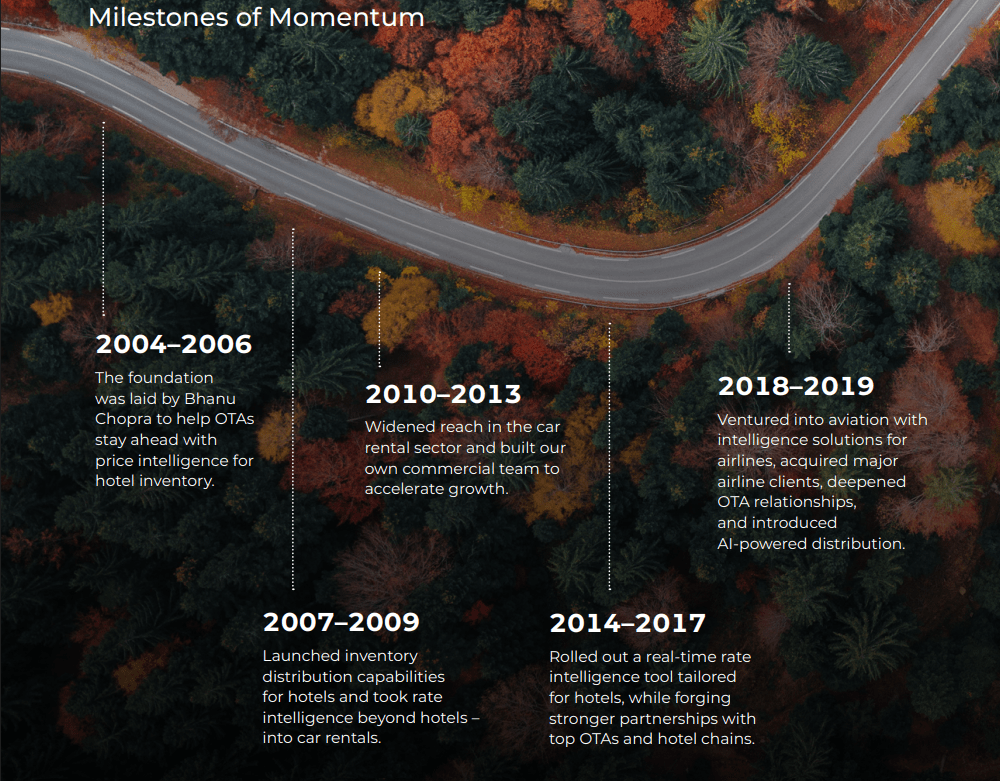
Milestone of momentum

World is changing : AI first approach

5 Megatrends transforming the global travel technology


Navigating NEXT


RateGain plans to drive growth by:
- Expanding within adjacent travel industry verticals that can benefit from its existing solutions
- Cross-selling integrated products to its well-established customer base
- Tapping new customer segments
- Scaling geographically through partnerships with leading travel and hospitality brands
Revolutionizing Steelmaking : Complete Robotic solution in Caster

Rare Earth free motors : New Trend


Protected: Premium Stocks : 26-Oct-25
Organised (from unorganised) : Mega trend
Protected: Alpha Sunrise 25-Oct-25
Semiconductor market

Overseas education spending : Long term trend

Human vs AI articles : who is winning

Food inflation

EV penetration and EV Charger per 4W


22 learnings of my stock journey
E2E 2025 Annual report : Eye catching snippets
About company –See the cutting edge cloud GPU’s


Services


TIR GEN AI PLatform


AI LABS as a service

FY25 Highlights

Monthly Run rate

Strategic Leap with L&T


Dessertsindia : Long term trend

Kill That ITCH
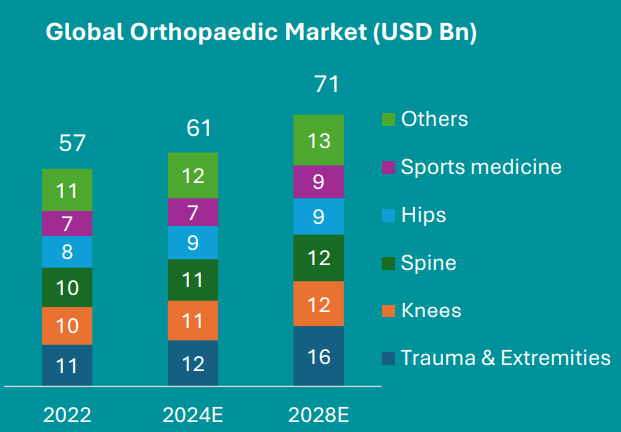
Global Orthopaedic Market

Buyer to builder

Protected: Microcap thesis
Cruise tourism : Emerging Trend

Time technoplast 2025 Annual report AND AGM 2025 : Eye catching snippets
Leading the way for Hydrogen and CNG storage and mobility

About company –See the focus on R&D and Product innovation


Products under development


Upcoming Projects changing trajectory in coming time


New Products & Projects
- We are proud to be the first company in India to receive approvals for Type III Composite
Hydrogen Cylinders for drones and UAVs, setting new benchmarks in lightweight, durable, and
efficient hydrogen storage for aerial applications. - We are driving a bold green energy transition with a commitment to source 75% of our
electricity from solar within the next two years—reducing costs, cutting carbon emissions, and
reinforcing our alignment with global sustainability goals. - Our subsidiary, Power Build Batteries Private Limited, has developed advanced “E-start with
Selenium” e-rickshaw batteries, designed for superior performance, faster charging, and
enhanced safety, fuelling the growth of clean mobility in India. - Our other subsidiary, TPL Plastech Limited, is establishing a state-of-the-art IBC manufacturing
unit at Lote-Parshuram, Maharashtra. Strategically located in a key chemical hub, the project is
progressing on schedule and is expected to be completed by FY 2026-27.

Inorganic Growth


Protected: Alpha Sunrise 13-Sep-25
Avalon 2025 Annual report : Eye catching snippets
Lets start with Financial highlights

49% box build revenue catches my eye

Greenfield and brownfield expansion
Partnership with global equipment manufacturer company for complex subsystem manufacturing
Partnering with CDAC for high performance computing
Partnership with Zepco in motors, drives, controllers.
Secured projects in global auto components, home electrification, rail, industrial, infrastructure, clean energy, and communications
OUR DUAL SHORE MANUFACTURING
In FY2025, we enhanced this model with the commissioning of a new export-focussed facility in Chennai. Construction has also begun on two additional facilities – one to serve growing domestic demand and the other focussed on exports. Our U.S. operations continue to serve marquee customers in highly regulated sectors, while our Indian facilities leverage scale and cost benefits
One stop shop and Diverse capabilities


Solutions


All major certifications


Alcohol is BAD

Thor(ium)

T&D EPC market

CEO ousters

GCC growth

Maritime Development : Long term trend
The Centre is significantly scaling up its proposed Maritime Development Fund (MDF) to ₹70,000 crore, 2.8 times the allocation announced in the February Budget, to boost shipbuilding, ship repair, ancillary industries, expansion of shipping tonnage, and port-linked infrastructure, according to a report by The Economic Times.
The revised corpus has reportedly already secured clearance from the expenditure finance committee (EFC), chaired by the finance ministry’s expenditure secretary, with Cabinet approval expected shortly.
MDF blended finance model
The MDF will operate on a blended finance model: 49 per cent concessional capital from the government, including contributions from state-owned major ports, and 51 per cent commercial capital from multilateral and bilateral lenders as well as sovereign funds.
Government estimates peg India’s maritime sector investment requirement between $885 billion and $940 billion by 2047, The Economic Times report said. This includes:
- $388 billion to expand shipping tonnage
- $260 billion for green vessels
- $224 billion for next-generation ports
- $18 billion to position India as a global shipbuilding and repair hub
- $8.82 billion to raise coastal and inland shipping’s share
- $1.65 billion to boost cruise tourism
Time technoplast : Triggers ahead
AI startups

Indigenous commerical EO satellite

Long term trend : Power Products

Protected: Premium Stocks : 9-Aug-25
Protected: Alpha Sunrise 9-Aug-25
DAC clearance : Who can benefit


Innovator CDMO market

20 Opportunities in mid 2025
Disclaimer – Analysis is NOT a BUY/SELL/HOLD Recommendation. It can be used for educational purposes. There can be lot of things which have been missed in analysis either due to lack of information or oversight etc.. Do your own diligence & contact your expert financial adviser before making any investment decision.
Protected: Positional Stocks 27-Jul-25
SYRMA SGS
We have covered this company earlier at
SYRMA SGS
Manufactures various electronic sub-assemblies, assemblies and box builds, disk drives, memory modules, power supplies/adapters, fiber optic assemblies, magnetic induction coils and RFID products, and other electronic products. The company is a part of Tandon Group with Sandeep Tandon as chairman of the company. Its manufacturing facilities are spread across Northern India (Bawal, Haryana, Manesar, Haryana, Baddi, Himachal Pradesh) and southern India – Chennai (Tamil Nadu), Bengaluru (Karnataka).
One of India’s Largest ESDM Company in the Non-Consumer Segment
300+ customers, 18 Facilities, 20+ exporting countries
with end to end capabilities and backward integration of PCB and components inhouse
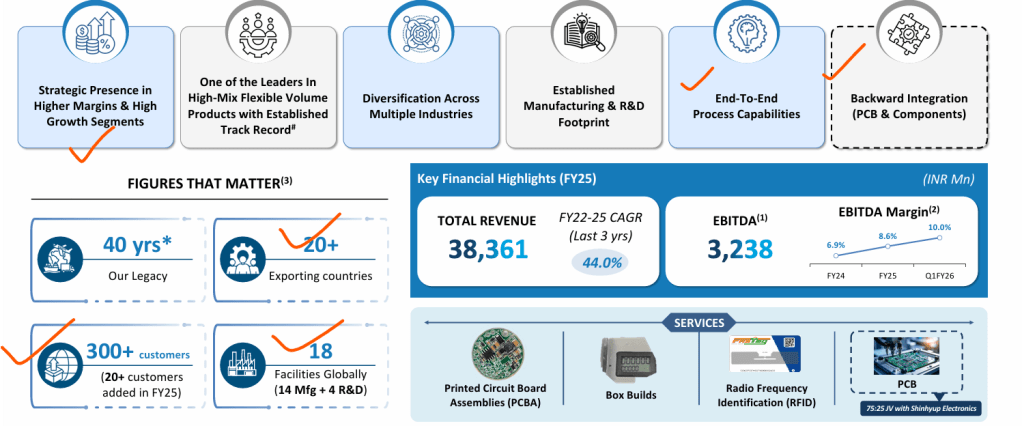
Business verticals serving high growth industries

Four Dedicated R&D Facilities
1 in Germany & 3 in India
190 employees in RnD, 537 overall engineers
1800+ suppliers
Global certifications in place

Revenue splits
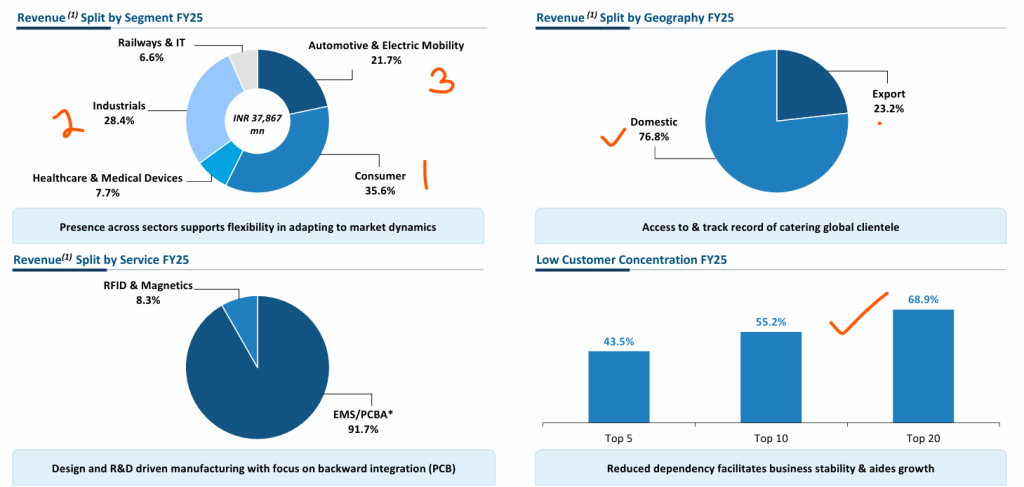
Opportunities and Growth Drivers
Government Initiatives
Capitalizing on government incentives such as PLI, MSIPS, ECMS, PM E-drive and EMC Tax incentives, infrastructure support
Growth of IoT & Smart Devices
IoT in industrial, automotive, consumer segments to drive customized solutions
Automotive IoT growth driven by connectivity, ADAS, personal UI, etc
Export Opportunities
Rising trend of supply chain diversification
India being favored as the global alternative as part of China + 1 strategy
Increasing outsourcing by OEMs
OEMs increasing reliance on ESDM players for cost efficiency, scalability, supply chain flexibility
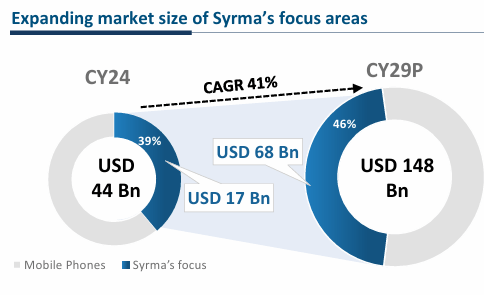
Increasing focus area

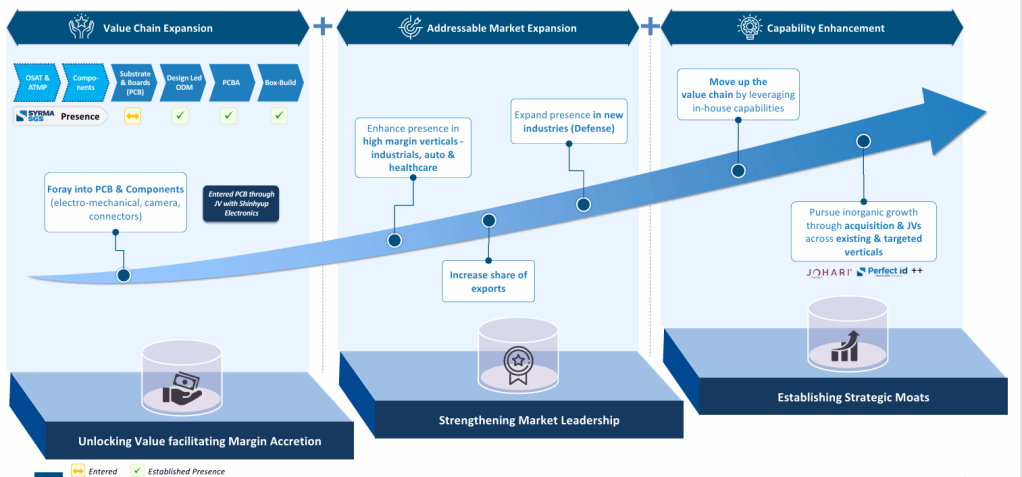
Very very interesting chart on what SYRMA wants to do in coming time
RISKS
The company imports 60% of its material requirements, which exposes it to foreign exchange fluctuation risk. While part of the forex exposure is naturally hedged from exports (about 25% of the total revenue), the company takes three months forwards to cover part of the open exposure and is able to pass on the impact of foreign exchange fluctuation to customers to some extent, any major forex fluctuation can impact the margins.
Time to time changes in technology may impact business in short term
Intensive working capital nature of business may need consistent cash flows
Technicals

Clinical Trials : Long term trend

Pets insurance

Metal scrap!! Emerging industry

One of the companies that can benefit from this trend as per our understanding is JG chemicals. Listen about company at 2hr 35min onwards in below link
New CEO

LIDAR : Medium term trend

Domestic Satcom

Rare Earth Magnets : Export restrictions


Lean AI Leaders
Protected: Premium Stocks : 6-Jul-25
Summary: NITI Aayog Chemical Industry Report (July 2025)
1. India’s Chemical Industry at a Glance
* Current Size (2023): $220 billion
* 2030 Aspirations: $400450 billion
* 2040 Potential: $8501,000 billion
* GDP Contribution: ~7%
* Global Consumption Share (2023): 33.5%
* Target by 2030: 56%
2. Challenges Hindering Growth
* Heavy reliance on imports, $31B trade deficit
* High concentration on bulk chemicals (e.g., 95% propylene -> PP)
* Feedstock limitations and logistics inefficiencies
* Complex regulatory processes
* Skill shortage and limited R&D
3. Feedstock Conversion Comparison (India vs Global)
* Propylene to PP: India 95%, Global 70%
* Ethylene to PE: India 75%, Global 63%
* Benzene to BZ derivatives: India 87%, Global 25%
* Butadiene to PBR/SBR: India 84%, Global 54%
4. Government Interventions Proposed
* Establish chemical hubs with shared infrastructure
* Develop port infrastructure and logistics clusters
* Introduce opex subsidies for critical chemicals
* Foster R&D and global tech partnerships
* Streamline environmental clearances
* Secure FTAs with chemical-specific provisions
* Expand ITIs and vocational chemical training
5. Projected Impacts by 2030
* 700K1M jobs created
* $3540B additional exports
* Net-zero trade deficit
* 56% global production share
6. Lessons from Chinas Chemicals Growth
* 6% -> 33% global share (20002022)
* State-driven overinvestment, tech imports, JV with MNCs
* Supportive R&D, cluster development, free trade zones
* Capex: $370B by 2023
7. Indias Roadmap: 4 Strategic Pillars
1. Tap into Export Markets (e.g., paints, polyester fiber)
2. Grow Sunrise Segments (e.g., battery & electronic chemicals)
3. Solve for Production Competitiveness (e.g., EVA, phenol)
4. Unlock Technology Access (e.g., MDI/TDI, acetic acid)


Source
Rare earth metals

Protected: Alpha 28
India Opportunities for coming decade

AI enabled Medical Devices : Long term Trend

Protected: Positional Stocks 30-June-25
Protected: Positional Stocks 23-June-25
Jewellery Market : Medium term trend

PEB steel buildings market : Medium term trend

Protected: Alpha Sunrise 14-Jun-25
Sunrise: Welcome to Recycling world
Disclaimer – Analysis is NOT a BUY/SELL/HOLD Recommendation. It can be used for educational purposes. There can be lot of things which have been missed in analysis either due to lack of information or oversight etc.. Do your own diligence & contact your expert financial adviser before making any investment decision.
Ganesha Ecosphere
Disclaimer – Analysis is NOT a BUY/SELL/HOLD Recommendation. It can be used for educational purposes. There can be lot of things which have been missed in analysis either due to lack of information or oversight etc.. Do your own diligence & contact your expert financial adviser before making any investment decision.
In case you have any questions/ queries, please feel free to reach me through Contact Form
Do spread the word among your peers, family members or anyone who can benefit from this blog and asked them to subscribe. But be selfish and take care of yourself first by subscribing before they do.
Enjoy the day and your life. Don’t forget, we are alone in this grand universe and may not get a chance to live again.
ALD series ( ALPHA LEARNER DAY)
Mega Trend : India Equity, MF, AIF growth

Protected: Positional Stocks 9-June-25
Protected: Positional Stocks 1-June-25
Protected: Positional Stocks 26-May-25
EPC in Power transmission and distribution : Medium term trend

Exports : Smartphones : Medium term trend

Gold Vs Silver Comparison

 ALPHA AFFAIRS